Paint Protection Built for Marine Conditions
Ceramic Coating in Jensen Beach for vehicles exposed to Treasure Coast salt air and UV damage
Legacy Mobile Detailing LLC applies ceramic coating as a shop-based service that provides multi-year paint protection against the marine environment common to Jensen Beach and the surrounding Treasure Coast. Paint surfaces exposed to salt air and intense Florida UV rays degrade faster than those in inland climates, and ceramic coatings form a chemical bond with factory paint that traditional wax and sealants cannot match. This service addresses oxidation buildup, swirl marks, and long-term environmental damage through a documented preparation and application process developed over six years of specialization in marine environment paint care.
The coating process begins with chemical decontamination to remove embedded salt, road tar, and iron particles, followed by clay bar treatment to prepare the surface. Full paint correction removes existing oxidation and swirl marks before the ceramic coating is applied, creating a protective layer that lasts years rather than months. Each step is completed in a controlled shop environment where temperature and humidity can be managed for optimal coating adhesion.
Schedule a vehicle assessment to review your paint condition and determine the appropriate correction level before coating application.
What Ceramic Coating Actually Accomplishes
The ceramic coating application follows a documented multi-stage process that starts with surface decontamination, moves through paint correction to remove oxidation and defects, and finishes with the coating cure period. Each stage is completed methodically because any contaminant left on the surface will be sealed under the coating, and any remaining swirl marks will be locked in place. The coating bonds at a molecular level with the clear coat, creating a hydrophobic surface that repels water, salt spray, and environmental contaminants more effectively than any wax-based product.
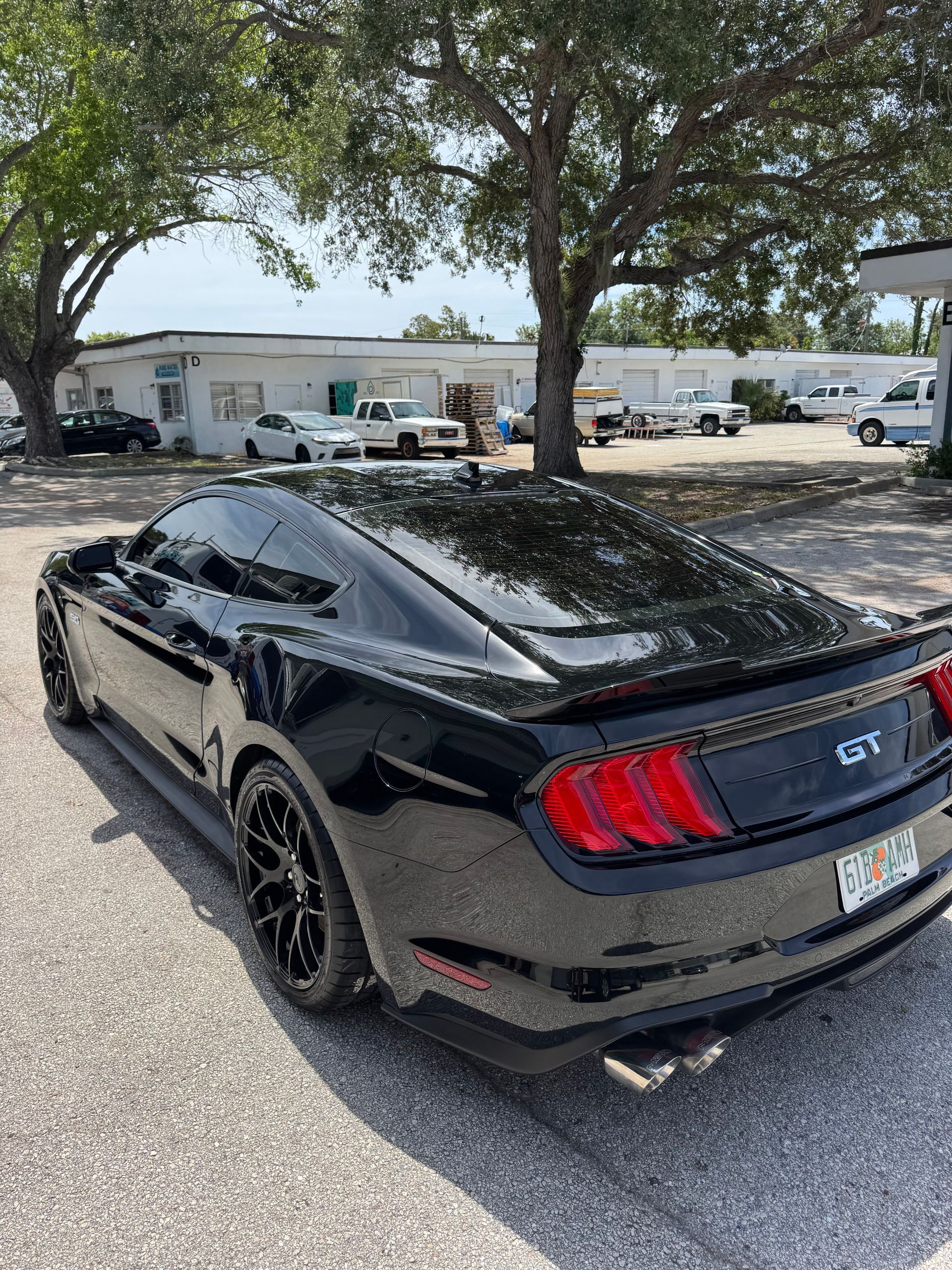
After the coating cures, you'll notice water beads and sheets off the paint rather than sitting in place, and salt residue washes away with far less effort than before. The paint surface remains glossy without frequent reapplication of wax, and minor scratches are less likely to reach the clear coat because the ceramic layer adds a measurable level of hardness. Oxidation that previously dulled your paint over months no longer accumulates at the same rate, particularly on horizontal surfaces like hoods and roofs that take the most UV exposure.
The coating does not prevent rock chips or eliminate the need for washing, but it significantly reduces how quickly contaminants bond to your paint and how much effort is required to remove them. For vehicles stored outdoors near the coast or driven regularly in marine environments, the coating extends the time between paint degradation that would otherwise require professional correction or repainting.
Questions Before Protecting Your Vehicle
Vehicle owners across the Treasure Coast often ask about the coating process before committing to the service, particularly regarding preparation requirements and realistic expectations for longevity in a high-exposure environment.
What preparation happens before the ceramic coating is applied?
The paint goes through chemical decontamination to remove embedded contaminants, followed by clay bar treatment to ensure a smooth surface, and then full paint correction using multiple compounds to remove oxidation, swirl marks, and defects before any coating material touches the clear coat.
How does Treasure Coast salt air affect coating longevity?
Salt air accelerates paint degradation on unprotected vehicles, but ceramic coatings are formulated to resist chemical bonding with salt particles and UV breakdown, which is why they're particularly valuable in Jensen Beach and other coastal areas where traditional wax breaks down within weeks of application.
What does paint correction involve during the coating process?
Paint correction is a multi-stage process where different compounds are tested on a small section of your paint to determine the right combination for removing oxidation and swirl marks without cutting through too much clear coat, and then that process is applied systematically across every painted panel.
How long does the ceramic coating last on vehicles in Florida?
Coating longevity depends on maintenance and exposure levels, but properly applied ceramic coatings in marine environments typically maintain their hydrophobic properties and UV protection for multiple years when vehicles are washed regularly and not subjected to abrasive automatic car washes.
What happens if oxidation is already visible on the paint?
Oxidation removal is included in the paint correction stage before coating application, using specialized compounds that cut through the damaged clear coat layer to restore clarity, and this oxidation removal specialization has been refined through six years of working specifically with marine environment paint damage.
Legacy Mobile Detailing LLC focuses on ceramic coating application as a primary service rather than offering it as an add-on to basic detailing, which allows for the specialized equipment, controlled environment, and time commitment required for proper surface preparation and coating cure. Contact the shop directly to discuss your vehicle's current paint condition and schedule a shop-based coating application.