
Film Removal That Protects Your Original Finish
PPF Removal in Jensen Beach for vehicles with adhesive failure or degraded protection film
Florida heat breaks down paint protection film adhesive over time, causing edges to lift, discoloration to spread, and trapped moisture to appear under what should be protecting your paint. Legacy Mobile Detailing LLC removes compromised PPF without damaging the factory finish underneath, a specialized process many detailers avoid due to the risk involved. After six years working in the marine environment where adhesive failure happens faster, the removal process accounts for how heat-weakened film reacts differently than fresh installations.
The removal process involves controlled heat application and precise angle work to separate film from clearcoat without pulling paint or leaving adhesive residue that requires aggressive correction. Film that has been on a vehicle for years in coastal sun often bonds more aggressively in some areas while completely releasing in others, requiring constant adjustment in technique across different panels.
Schedule an on-site evaluation to assess film condition and determine the safest removal approach for your specific vehicle.
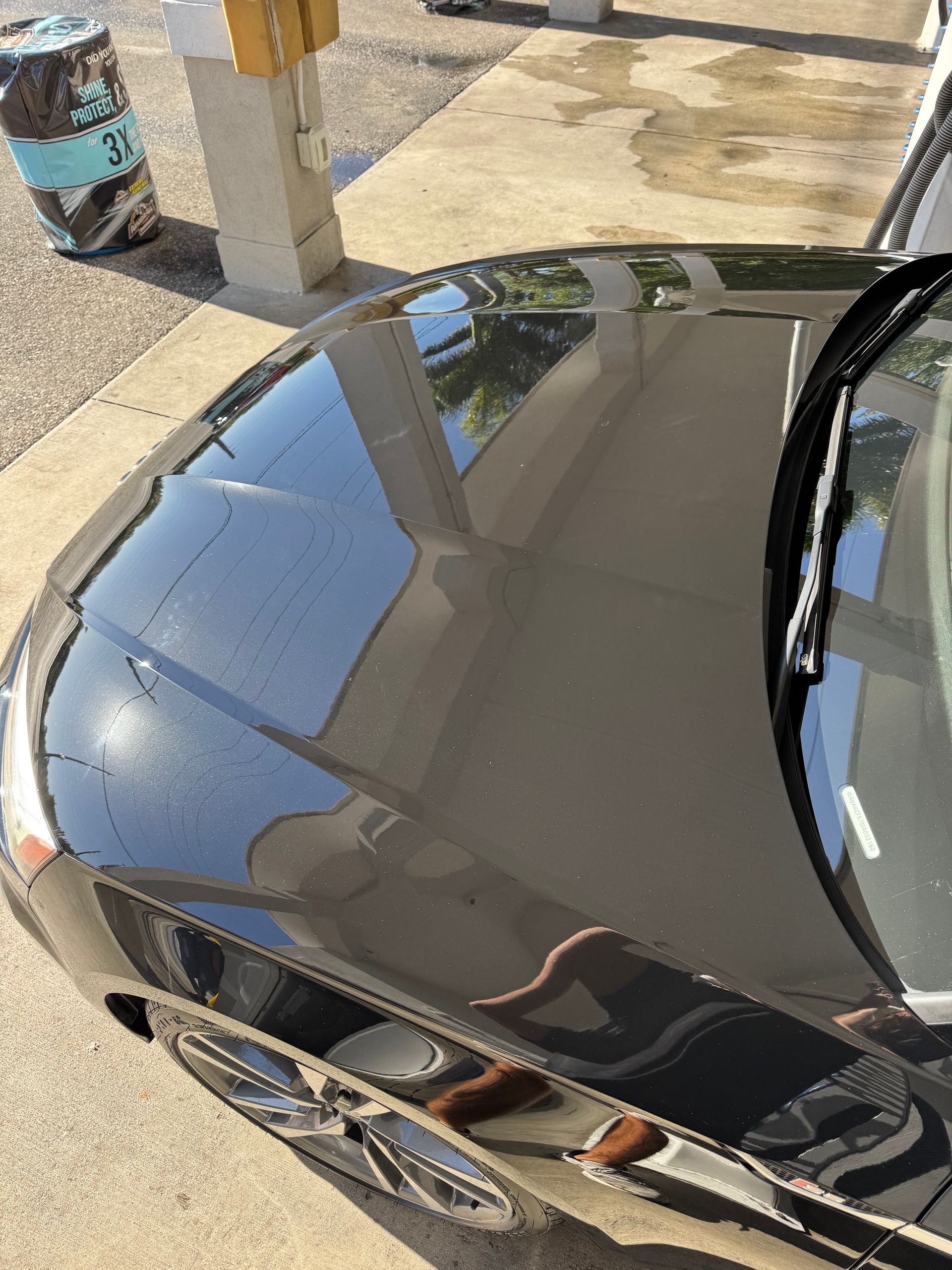
What Proper Removal Equipment Prevents
Removing aged PPF requires temperature-controlled heat tools and plastic razor systems designed specifically for clearcoat work, not general-purpose scrapers that can score the surface. The difference shows up in how cleanly film releases and whether you need paint correction afterward, because improper tools create marring that requires compounding to remove.
After removal, your paint appears as it did before installation, with original clearcoat intact and no adhesive haze clouding the finish. Panels that previously showed bubbling, yellowing, or peeling film now match the rest of the vehicle, and you can choose to reinstall new protection or leave the surface as-is without the visual degradation of failing film.
This service does not include paint correction if the original finish underneath has existing swirls or oxidation from before the film was applied. The removal process only addresses the film and its adhesive, not underlying paint condition that requires separate correction work.
Questions Before Removing Your PPF
Vehicle owners in Jensen Beach often ask about the removal process before committing to the service, particularly when film has been in place for several years under coastal sun exposure.
How do you remove PPF without damaging the paint underneath?
The process uses controlled low-heat application to soften adhesive while plastic razor blades lift film at an angle that prevents clearcoat contact, a technique developed specifically for this work rather than adapted from window tinting or vinyl wrap removal.
What happens if the film has been on the vehicle for more than three years?
Older film in Florida heat often requires more time per panel because adhesive cures harder and film becomes brittle, but the same careful approach prevents paint damage regardless of how long the protection has been in place.
Will there be adhesive residue left after the film comes off?
Adhesive residue is removed during the same service using solvent safe for automotive clearcoat, leaving panels clean without haze or sticky areas that attract dirt.
How long does PPF removal typically take?
Removal time depends on how many panels are covered and how the film reacts to heat, with full-vehicle work usually completed in one mobile session but complex cases requiring additional time to maintain safety standards.
Can you remove PPF from just the damaged sections?
Partial removal is possible when only specific panels show failure, though color matching between removed and remaining sections depends on how evenly the existing film has yellowed across the vehicle.
Legacy Mobile Detailing LLC handles PPF removal as a specialized service separate from standard detailing work, applying marine environment experience to a process that requires specific equipment and careful execution. Contact us to arrange removal when your protection film shows signs of failure rather than continuing to trap moisture against your paint.